
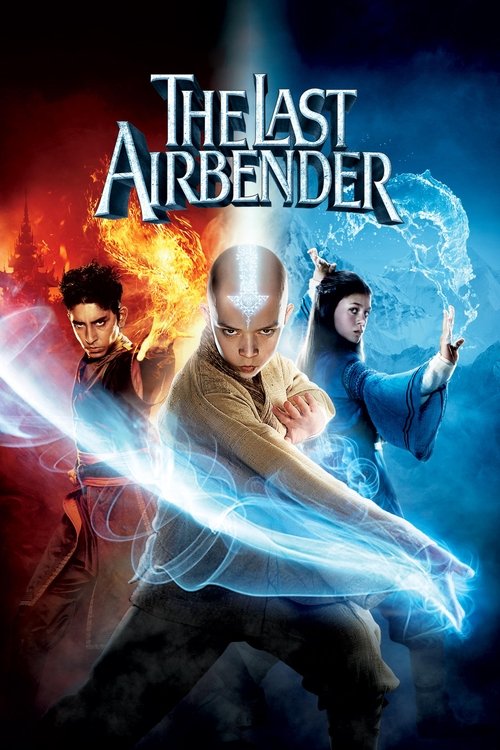
What happens at the end
The Fire Nation attacks the Northern Water Tribe. Zuko captures Aang, who enters the Avatar State and seeks out the Dragon Spirit. It tells him to “use the ocean and show the power of water.” Aang fights his way free of Zuko, and Katara freezes the prince in ice.
In the sacred cave, Zhao captures the Moon Spirit. Uncle Iroh pleads with him, but Zhao kills it, and every waterbender loses their power. Iroh reveals his own mastery of firebending and drives Zhao’s men out. Princess Yue gives her life to revive the Moon Spirit. Zhao goes after Zuko, but Iroh talks his nephew out of the fight, and the waterbenders drown Zhao.
Aang, remembering his life before the ice, enters the Avatar State and lifts the ocean into a towering wall that drives the Fire Nation back.
Far away, Fire Lord Ozai hears of the defeat. He orders Azula to stop the Avatar from mastering earth and fire before Sozin’s Comet returns in three years.
What it means
Aang accepts who he is. The film begins with a boy frozen in ice for a century who has only learned airbending. It ends with him using the Avatar’s full power to protect people.
Yue’s sacrifice. The Moon Spirit’s death strips the water tribe of its power, and Yue gives her life to restore it. It’s the film’s one real cost of victory.
A first chapter. Paramount and Nickelodeon announced a trilogy, with this film adapting Book One: Water of the animated series. Ozai’s order to Azula is the setup for Book Two.
What came next, and what didn’t
The sequel that wasn’t. During filming, Night drafted a “darker” second film with Azula as the main villain. In July 2010 he said, “In the next few months we’ll be able to know whether we have that opportunity or not.” In 2015 he said he might return to it after his next thriller. According to Wikipedia, “due to the film’s poor critical and financial reception, a sequel was never developed.”
Clues you missed
- Iroh. Until the cave, he’s mostly Zuko’s companion on the hunt. Then he reveals he’s a master firebender.
- The Dragon Spirit’s advice. “Use the ocean and show the power of water” is the plan for the climax, given to Aang ahead of time.
- Azula. The final scene hands her the story. That was where the trilogy was headed.
What Night has said
On how he saw it. “I can only see it this certain way and I don’t know how to think in another language,” he said, defending the film’s style.
Looking back. In 2019, he said he regretted it: “I did these movies, and I rightfully got crushed.”
Where fans disagree
- The casting. Fans objected to white actors in the lead roles of a world inspired by East Asian cultures, and Racebending.com and the Media Action Network for Asian-Americans called for boycotts. Roger Ebert asked, “Why would Paramount and Shyamalan go out of their way to offend these fans?” Dev Patel later said he “saw a stranger on the screen that I couldn’t relate to.”
- The reception. The film holds a 5% approval rating on Rotten Tomatoes and won five Golden Raspberry Awards, including Worst Picture, Worst Director and Worst Screenplay.
- What was good. Some critics praised Andrew Lesnie’s cinematography and James Newton Howard’s score.
- Would the sequels have fixed it? Nobody will ever know. The animated story continues in other forms, including Netflix’s live-action series, but Night’s version stops here.
Sources
- The Last AirbenderWikipedia (plot, production, sequels, reception)
- Avatar: The Last AirbenderWikipedia (the animated series and later adaptations)
- The Last Airbender quotesMNight.com, from Wikiquote (dialogue)